
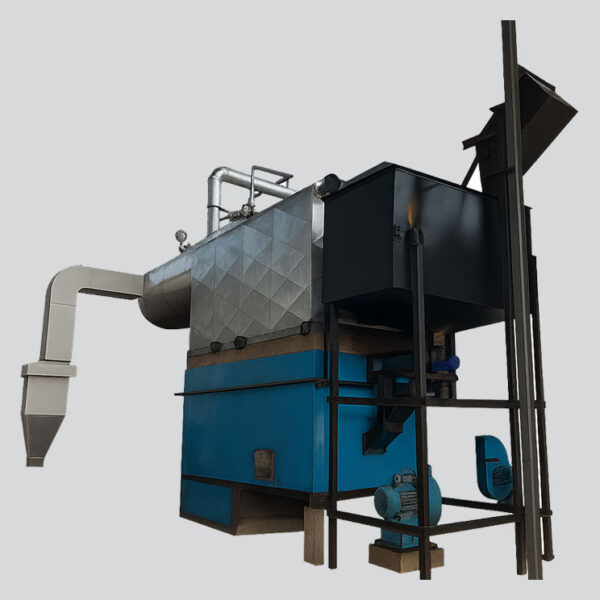
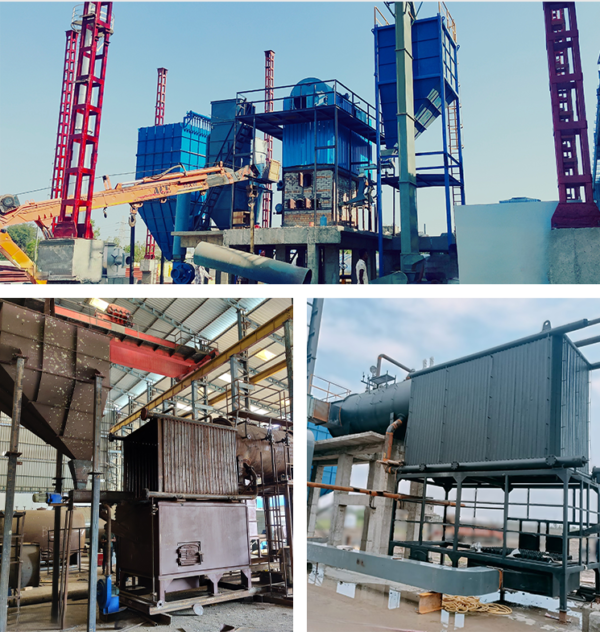
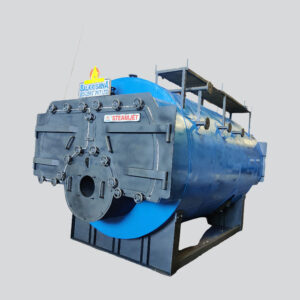
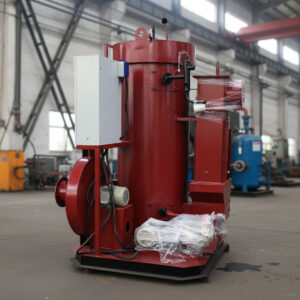
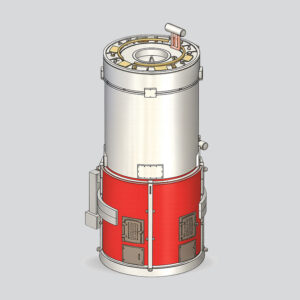
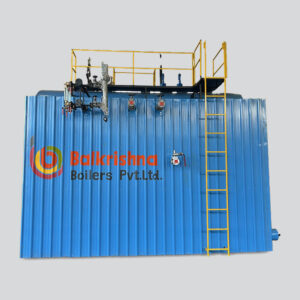

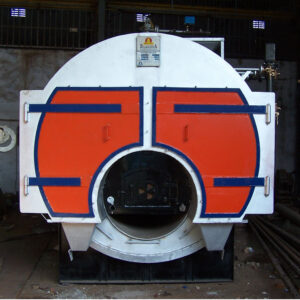
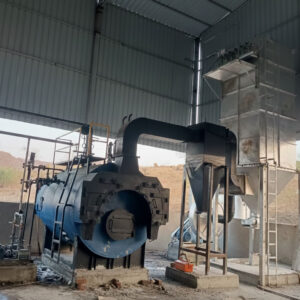
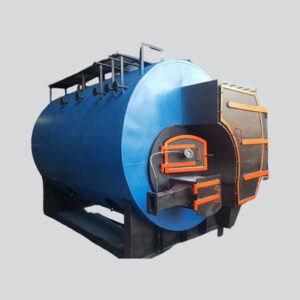

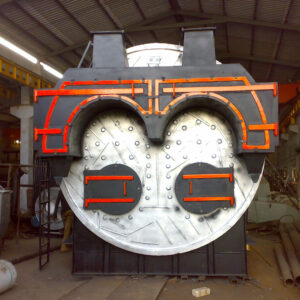

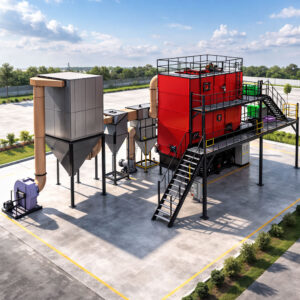
COMBIPOWER- CPD – Solid Fuel Fired 1-10 TPH FBC Steam Boiler : Unmatched Efficiency and Durability
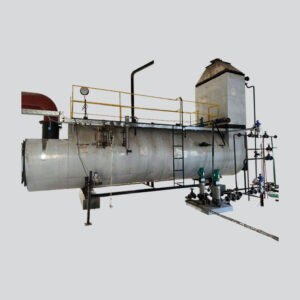
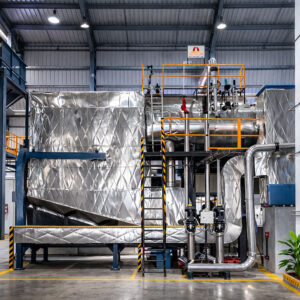
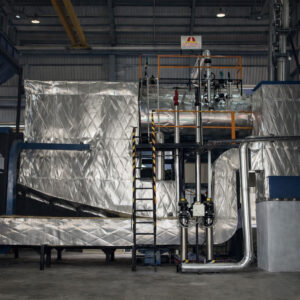
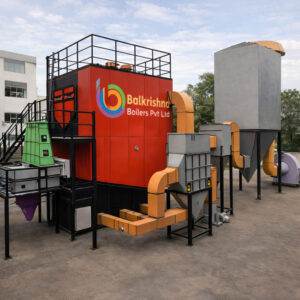
The Combipower-F boiler with its high performance and automatic modern styling confirms to the most exacting standards of safety, performance and efficiency. This boiler is manufactured with the latest engineering techniques, modern production equipment and with the expertise of highly skilled engineers and workers.
For industries that rely on solid fuels like coal, biomass, and agricultural waste, the challenge is achieving high thermal efficiency and low maintenance simultaneously. IndianBoilers.com provides the definitive solution: the Water Wall Membrane Panel Fluidized Bed Combustion (FBC) Steam Boiler.
This advanced boiler design combines the superior combustion of FBC technology with the robust, heat-absorbing power of a Water Wall Membrane Panel, setting a new benchmark for reliable, high-capacity steam generation from diverse fuels.
Key Features & Technical Superiority
The incorporation of the Water Wall Membrane Panel is the defining feature, offering a substantial leap in boiler performance and lifespan compared to conventional refractory-lined furnaces.
| Feature | Technical Benefit | Industrial Advantage |
| Water Wall Membrane Panel | Gas-tight, welded tube construction forms the furnace walls, directly absorbing radiant heat from the flame. | Maximizes heat transfer, eliminates refractory in the furnace walls (reducing maintenance cost), and improves air tightness for higher efficiency. |
| Fluidized Bed Combustion (FBC) | Efficiently burns a wide range of low-grade and high-ash solid fuels (coal, lignite, rice husk, biomass). | Lower fuel cost, eco-friendly combustion, and stable temperature control, which minimizes emissions. |
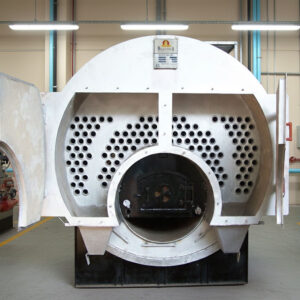
| Single Drum Design (Typical) | Simplified drum structure with panelized, welded tubes ensures easy access for tube replacement and repair. | Reduced thermal stress on the drum and simplified, faster maintenance compared to traditional bi-drum designs. |
| High Durability & Safety | Built from high-grade materials to withstand the high temperatures and pressures inherent in solid fuel firing. | Long service life, reliable operation, and adherence to IBR safety standards (where applicable). |
Sustainability and Operational Excellence
Choosing a Solid Fuel Fired 1-10 TPH FBC Steam Boiler is a smart move for both your bottom line and the environment:
- Fuel Flexibility: Optimally designed to handle difficult-to-burn fuels, offering you freedom from reliance on expensive, high-grade oil or gas.
- High Efficiency: By effectively utilizing both radiant heat (via the Water Wall) and convective heat, the boiler achieves high overall thermal efficiency (often exceeding 80%).
- Lower Running Costs: Eliminating refractory and minimizing complex mechanical wear in the furnace leads to significantly reduced maintenance downtime and expense.
Operating Range
- Capacity – 1 THP to 10 THP
- Fuel- Wood Chips, Paddy Husk, Biomass Pellets, Biomass briquette & Crushed Coal
- Pressure- 10.54 Kg/cm² to 21 Kg/cm²
Technical Specifications
| Specification | Unit | CPD-10 | CPD-20 | CPD-30 | CPD-40 | CPD-50 | CPD-60 | CPD-80 | |||
|---|---|---|---|---|---|---|---|---|---|---|---|
| General | |||||||||||
| Steam Output From & at 100°C | Kg/hr | 1000 | 2000 | 3000 | 4000 | 5000 | 6000 | 8000 | |||
| Working Pressure | Kg/CM² | 10.54 | 10.54 | 10.54 | 10.54 | 10.54 | 10.54 | 10.54 | |||
| Steam Temprature | °C | 183 | 183 | 183 | 183 | 183 | 183 | 183 | |||
| No’s Passes | No’s | Four | Four | Four | Four | Four | Four | Four | |||
| No’s of Furnace | No’s | 1 | 1 | 1 | 1 | 1 | 1 | 1 | |||
| Steam Outlet | MM | 50 | 80 | 100 | 100 | 125 | 150 | 150 | |||
| HTA | M² | 40 | 80 | 120 | 160 | 200 | 240 | 320 | |||
| Type of Crushed Fuel: Briquette, Pellet, Rice Husk & Coal | |||||||||||
| Boilers Efficinecey with APH | |||||||||||
| On Briquette | % | 78 +/-2 | 78 +/-2 | 78 +/-2 | 78 +/-2 | 78 +/-2 | 78 +/-2 | 78 +/-2 | |||
| On Pellet | % | 78 +/-2 | 78 +/-2 | 78 +/-2 | 78 +/-2 | 78 +/-2 | 78 +/-2 | 78 +/-2 | |||
| On Rice Husk | % | 78 +/-2 | 78 +/-2 | 78 +/-2 | 78 +/-2 | 78 +/-2 | 78 +/-2 | 78 +/-2 | |||
| On Coal | % | 80 +/-2 | 80 +/-2 | 80 +/-2 | 80 +/-2 | 80 +/-2 | 80 +/-2 | 80 +/-2 | |||
| Fuel Consumption | |||||||||||
| Briquette (4000) | Kg/hr | 173 | 346 | 519 | 692 | 865 | 1038 | 1385 | |||
| Pellet (4500) | Kg/hr | 154 | 308 | 462 | 615 | 769 | 923 | 1231 | |||
| Rice Husk (3000) | Kg/hr | 231 | 462 | 692 | 923 | 1154 | 1385 | 1846 | |||
| Coal (4500) | Kg/hr | 150 | 300 | 450 | 600 | 750 | 900 | 1200 | |||
| Electrical Load | |||||||||||
| Feed Water Pump | H.P. | 2.00 | 3.00 | 4.00 | 4.00 | 6.00 | 7.50 | 7.50 | |||
| I.D. fan without BF | H.P. | 5.00 | 10.00 | 15.00 | 20.00 | 25.00 | 30.00 | 40.00 | |||
| F.D. Fan | H.P. | 5.00 | 10.00 | 15.00 | 20.00 | 25.00 | 30.00 | 40.00 | |||
| S.F.D fan | H.P. | 1.00 | 2.00 | 2.00 | 2.00 | 3.00 | 3.00 | 4.00 | |||
| Screw feeder with VFD | H.P. | 1.00 | 2.00 | 2.00 | 2.00 | 3.00 | 3.00 | 4.00 | |||
| Total Electric Load | H.P. | 12.00 | 23.00 | 36.00 | 46.00 | 59.00 | 70.50 | 91.50 | |||
| NOTE: In view of constant endeavors to improve our products, we reserve the right to alter or change above specifications without prior notice. | |||||||||||
Frequently Asked Questions
What is the advantage of a "Membrane Panel" over a traditional refractory furnace?
Traditional furnaces use thick firebricks (refractory) which are prone to cracking and heat loss. Membrane panels are gas-tight, eliminate air leakage, and replace heavy bricks with water-filled tubes, making the boiler lighter, more efficient, and faster to start.
What does "FBC" (Fluidized Bed Combustion) mean?
FBC is a combustion technology where fuel is burnt in a suspended state using a high-velocity bed of hot sand or ash. This "fluid-like" state ensures uniform temperature and near-complete combustion of the fuel.
Why is the furnace described as "Refractory-less"?
Because the water wall panels provide the structural boundary and cooling for the furnace, there is no need for extensive refractory lining. This reduces annual maintenance costs significantly, as there are no bricks to repair or replace.
How does the membrane design improve heat absorption?
The tubes in a membrane panel are exposed directly to the radiant heat of the furnace. This provides a much larger heating surface area compared to conventional designs, allowing for rapid steam generation.
What is the typical efficiency of these boilers?
Our Water Wall FBC boilers consistently achieve thermal efficiencies of 80% to 85%. When equipped with an Economizer and Air Pre-Heater (APH), they can reach the upper limits of solid-fuel efficiency.
What steam capacities do you offer for this range?
At indianboilers.com, our standard range is from 2 TPH to 10 TPH, with customized high-capacity units available up to 20 TPH in the COMBIPOWER series.
What fuels are best suited for this boiler?
It is a true multi-fuel workhorse. It can burn:
- Coal: Indian or Imported Coal, Lignite.
- Agro-Waste: Rice Husk, Mustard Stalks, Sawdust.
- Biomass: Briquettes, Pellets, and Palm Kernels.
What is the maximum working pressure?
Standard industrial units are designed for 10.54 kg/cm² to 17.5 kg/cm², but we can engineer high-pressure models up to 21 kg/cm² or even 45 kg/cm² for specialized power applications.
How do you prevent tube erosion in FBC boilers?
FBC beds can be abrasive. We use specialized stainless steel nozzles and erosion-resistant shields on the water wall tubes and in-bed tubes to ensure a long service life.
Is this boiler suitable for fluctuating steam loads?
Yes. The large water volume and the high heat storage capacity of the fluidized bed allow these boilers to respond quickly to sudden spikes in steam demand without dropping pressure.
How long does it take to start the boiler from cold?
Because there is minimal refractory to heat up, the "cold start" time is significantly shorter than brick-lined boilers—typically reaching full pressure in 45 to 60 minutes.
Does it require a Bag Filter or Cyclone?
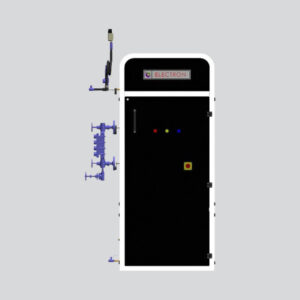
To comply with environmental norms, we provide Multi-cyclone Dust Collectors (MDC) as standard. For stricter pollution zones, we integrate high-efficiency Bag Filters or Electrostatic Precipitators (ESP).
Are these boilers IBR certified?
Yes. All our high-capacity membrane boilers are manufactured under Indian Boiler Regulations (IBR), providing the highest level of safety and insurance compliance.
Can the fuel feeding be automated?
Absolutely. We offer both Under-bed (pneumatic) and Over-bed (mechanical) automated fuel feeding systems to reduce manual labor and maintain steady combustion.
What is the price of a Water Wall Membrane Panel FBC Boiler?
These are premium, high-capacity systems. Estimated prices for 2025 are:
- 2 TPH to 4 TPH: ₹5,000,000.
- 5 TPH to 10 TPH: ₹40,00,000 – ₹65,00,000.
- 15 TPH to 20 TPH: ₹85,00,000+.
- Prices depend on the degree of automation and pollution control equipment.
Why is the capital cost higher than a standard hybrid boiler?
The membrane panel design involves precision welding and high-grade boiler tubes (SA210) for the entire furnace. While the initial cost is higher, the fuel savings and zero refractory maintenance make it cheaper over its lifetime.
How much can I save on annual maintenance?
In a traditional boiler, refractory repairs can cost ₹2–5 Lakhs annually. With a membrane panel furnace, these costs are virtually zero for the first 10 years of operation.
What is the typical ROI period?
Due to the high efficiency and low maintenance, most industrial plants achieve full ROI within 14 to 20 months of operation.
How can I get a technical proposal for my site?
Visit indianboilers.com and click on "Request a Quote." Please provide your required TPH, fuel type, and process pressure so our engineers can design the most efficient solution for you.