


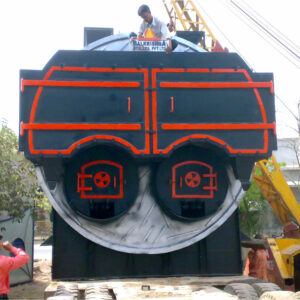
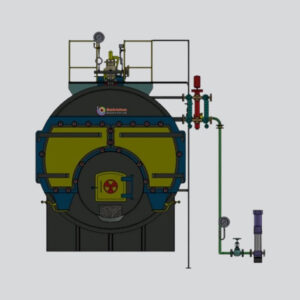
Coconut Shell Fired Boiler
High-Intensity Biomass Steam | The Clean Alternative to Coal
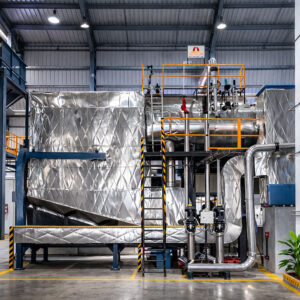
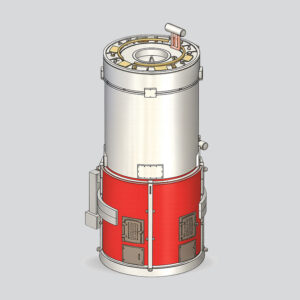
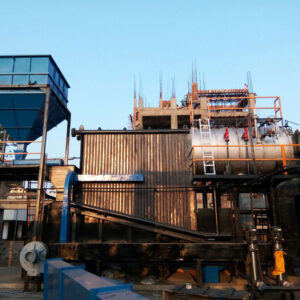
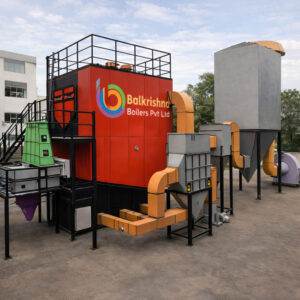
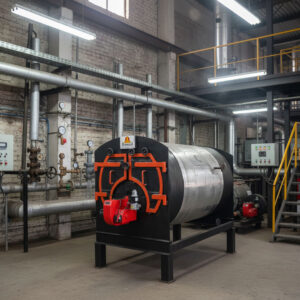
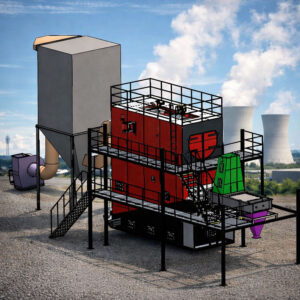
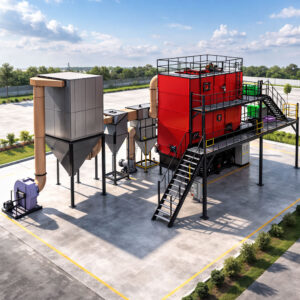
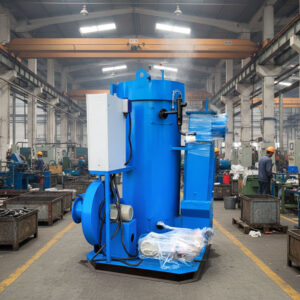
At IndianBoilers.com, we design boilers that maximize the energy potential of nature. Our Coconut Shell Fired Boilers are engineered to harness the high calorific value of coconut shells—a fuel that burns hotter and cleaner than almost any other agricultural residue. With a dense carbon structure, coconut shells provide a steady, high-temperature flame that is perfect for high-pressure industrial steam applications.
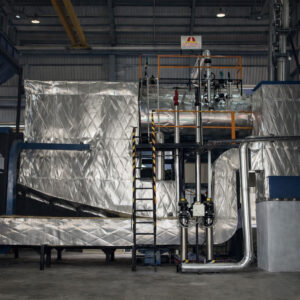
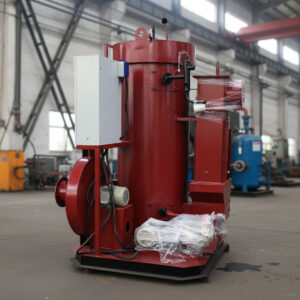
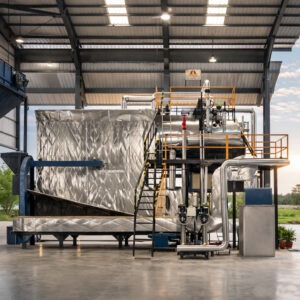
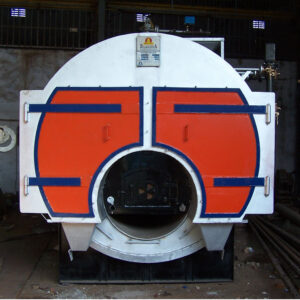
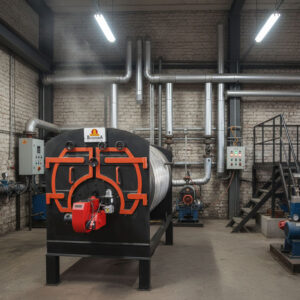
Manufactured in our Ahmedabad facility, these boilers feature specialized furnace grates and air-distribution systems designed to manage the high heat release of coconut shells while ensuring long-term durability.
Key Features & Performance
- Coal-Equivalent Performance: Coconut shells have a Gross Calorific Value (GCV) of 4200 to 4700 Kcal/kg, allowing you to achieve coal-like steam output using 100% renewable biomass.
- Specialized High-Heat Furnace: Designed with high-grade refractory lining to withstand the intense radiant heat generated by coconut shell combustion without cracking or degradation.
- Precision Grate Design: Equipped with heavy-duty Stationary or Reciprocating Grates with optimized air-hole patterns to ensure complete oxygen mixing and zero unburnt fuel.
- Low Ash Content: Coconut shells produce minimal ash (typically <2%), leading to cleaner boiler tubes, higher heat transfer efficiency, and reduced cleaning downtime.
- Flexible Multi-Fuel Grate: While optimized for shells, the furnace can easily fire Coconut Husks, Wood Logs, or Briquettes, giving you total fuel security throughout the year.
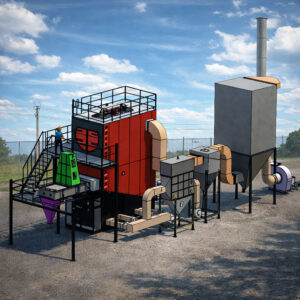
- Robust Pollution Control: Standard integration with Multi-cyclone Dust Collectors (MDC) ensures that the fine, high-velocity ash particles are captured before reaching the chimney.
Core Industry Applications
The Coconut Shell Fired Boiler is the preferred choice for:
- Activated Carbon Plants: Utilizing the primary raw material (shells) to generate the steam required for the activation process.
- Coir & Coconut Processing: Powering fiber extraction and coconut milk/oil processing units.
- Food & Beverage: Clean-burning fuel for steam-jacketed kettles, pasteurization, and drying.
- Chemical & Pharma: Stable, high-temperature steam for distillation and reactor heating.
- Textile Dyeing: An economical alternative for units located in coastal/coconut-growing regions.
Advantages
- Anti-Corrosion Materials: We use premium IBR-grade seamless tubes and boiler plates to ensure your boiler handles the high-intensity thermal cycles of shell firing.
- Automated Feeding Options: We offer specialized Screw Conveyors or Drag-Chain Feeders to automate the movement of shells from your yard to the furnace.
- Local Expertise, Global Standards: While we are based in Ahmedabad, our designs are exported worldwide, meeting the highest safety benchmarks.
Operating Range
- Capacity – 0.5 THP to 6 THP
- Fuel- wood log, Briquette, Lignite and Coal
- Pressure- 10.54 Kg/cm² to 21 Kg/cm²
Technical Specifications
| Specification | Unit | CC-05 | CC-10 | CC-20 | CC-30 | CC-40 | CC-50 | CC-60 | ||
|---|---|---|---|---|---|---|---|---|---|---|
| General | ||||||||||
| Steam Output From & at 100°C | Kg/hr | 500 | 1000 | 2000 | 3000 | 4000 | 5000 | 6000 | ||
| Working Pressure | Kg/CM² | 10.54 | 10.54 | 10.54 | 10.54 | 10.54 | 10.54 | 10.54 | ||
| Steam Temperature | °C | 183 | 183 | 183 | 183 | 183 | 183 | 183 | ||
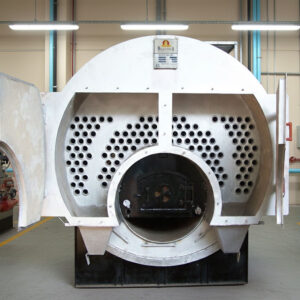
| No’s of Passes | No’s | Three | Three | Three | Three | Three | Three | Three | ||
| No’s of Furnace | No’s | 1 | 1 | 1 | 1 | 1 | 1 | 1 | ||
| Grate Area | M² | 0.85 | 1.25 | 2.2 | 2.9 | 4.15 | 5.7 | 6 | ||
| Steam Outlet | MM | 40 | 50 | 80 | 100 | 100 | 125 | 150 | ||
| Heat Transfer Area | M² | 20 | 40 | 80 | 120 | 160 | 200 | 240 | ||
| Type of Fuel: woodlog, Briquette, Lignite and Coal | ||||||||||
| Boilers Efficiency with APH | ||||||||||
| On woodlog | % | 78 +/-2 | 78 +/-2 | 78 +/-2 | 78 +/-2 | 78 +/-2 | 78 +/-2 | 78 +/-2 | ||
| On Coal | % | 78 +/-2 | 78 +/-2 | 78 +/-2 | 78 +/-2 | 78 +/-2 | 78 +/-2 | 78 +/-2 | ||
| Fuel Consumption | ||||||||||
| WoodLog (3500) | Kg/hr | 99 | 198 | 396 | 593 | 791 | 989 | 1187 | ||
| Briquette (4000) | Kg/hr | 87 | 173 | 346 | 519 | 692 | 865 | 1038 | ||
| Lignite (3000) | Kg/hr | 115 | 231 | 462 | 692 | 923 | 1154 | 1385 | ||
| Coal (4500) | Kg/hr | 77 | 154 | 308 | 462 | 615 | 769 | 923 | ||
| Electrical Load | ||||||||||
| Feed Water Pump | H.P. | 2.00 | 2.00 | 3.00 | 4.00 | 4.00 | 6.00 | 7.50 | ||
| I.D. fan without BF | H.P. | 3.00 | 5.00 | 10.00 | 15.00 | 20.00 | 25.00 | 30.00 | ||
| F.D. Fan | H.P. | 1.00 | 2.00 | 5.00 | 7.50 | 7.40 | 10.00 | 12.50 | ||
| Total Electric Load | H.P. | 6.00 | 9.00 | 18.00 | 26.50 | 31.40 | 41.00 | 50.00 | ||
| NOTE: In view of constant endeavors to improve our products, we reserve the right to alter or change above specifications without prior notice. | ||||||||||
Frequently Asked Questions
Can I use whole coconut shells in the boiler?
Yes, our furnaces can handle whole shells. However, for automated feeding and more consistent steam pressure, using crushed shells (approx. 1-2 inches) is recommended.
How much steam can 1 ton of coconut shells produce?
Depending on the boiler's efficiency and shell moisture, 1 ton of coconut shells can typically produce 3.5 to 4.2 tons of steam.
Is the Coconut Shell Boiler IBR certified?
Yes. IndianBoilers.com manufactures these boilers in strict accordance with Indian Boiler Regulations (IBR), ensuring safety, quality, and legal compliance.
What is the thermal efficiency of these boilers?
Our 3-pass designs achieve 78% to 82% efficiency. When integrated with an Economizer or Air Pre-heater, efficiency can exceed 85%.
Does the high heat of coconut shells damage the boiler?
Coconut shells burn very hot. We use premium grade refractory lining and high-thickness IBR-certified steel to ensure the furnace handles the high radiant heat without structural wear.
How do you handle the high volatile matter in the shells?
Coconut shells release gases quickly. Our boilers feature a large combustion volume and secondary air injection to ensure all volatiles are burnt completely, preventing black smoke.
Can I fire coconut husks along with the shells?
Absolutely. Many mills use a blend of husk and shell. While husks have a lower GCV, they help create a bulky fire bed, while shells provide the high-intensity heat.
What type of grate is best for coconut shells?
We offer Fixed Grates for manual firing and Reciprocating or Pulsating Grates for larger, automated units to ensure continuous ash removal and air circulation.
Can this boiler run on Coal or Wood if shells are unavailable?
Yes. These are multi-fuel boilers. The grate and furnace design are robust enough to switch to coal, briquettes, or firewood logs without hardware modifications.
How much ash is produced during combustion?
Coconut shells are remarkably clean, with an ash content of only 1% to 2%. This is significantly lower than coal (20–40%) or wood (5–10%), leading to much less cleaning work.
Do I need to clean the boiler tubes frequently?
Because the ash is low and non-sticky, tube choking is rare. However, we recommend a monthly inspection and routine soot blowing to maintain peak heat transfer.
Is the fuel feeding system automated?
We offer optional screw conveyors or drag-chain feeders that can be synchronized with the boiler’s pressure sensor to feed shells automatically as steam demand increases.
What safety features are included?
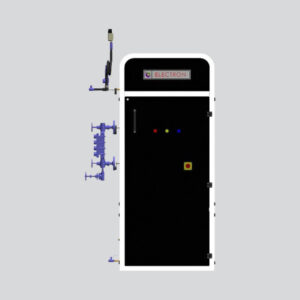
The boiler comes with twin safety valves, water level controllers, fusible plugs, and high-pressure alarms to ensure failsafe operation.
Does the boiler require a high chimney?
We design the chimney height according to Pollution Control Board (PCB) norms, usually 30 meters or higher, equipped with an Induced Draught (ID) fan for better suction.
What is the ROI (Return on Investment)?
If you are located in a coconut-growing region, switching from Diesel/FO to shells can reduce fuel costs by 60% to 70%. Most units pay for themselves within 8 to 12 months.
Is coconut shell firing environmentally friendly?
Yes. It is a carbon-neutral fuel. Furthermore, it contains negligible sulfur, meaning your emissions will be free of harmful SOx gases.
How do you control particulate emissions?
We install a Multi-cyclone Dust Collector (MDC) as standard. This traps fine carbon particles and ash before they leave the chimney, keeping your plant eco-friendly.
Can I get Carbon Credits for using this boiler?
Yes. As a renewable energy project, replacing fossil fuels with coconut shells makes your facility eligible for various Green Energy certifications and carbon offset programs.
Why choose IndianBoilers.com for this boiler?
Based in Ahmedabad, we are experts in biomass combustion. We combine robust IBR-certified manufacturing with specialized furnace designs specifically tuned for the high-intensity heat of coconut shells.

Reviews
There are no reviews yet.