
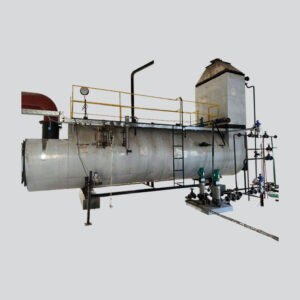

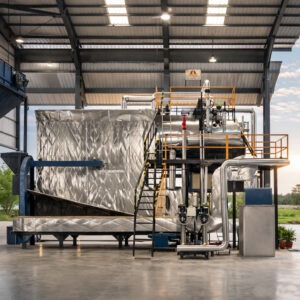
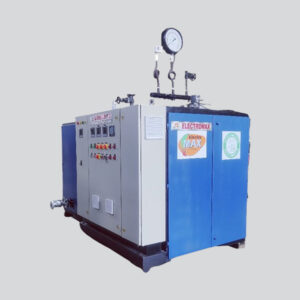
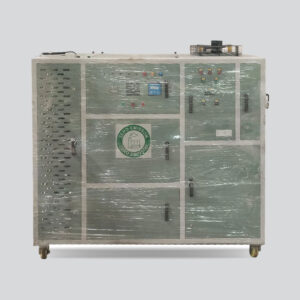

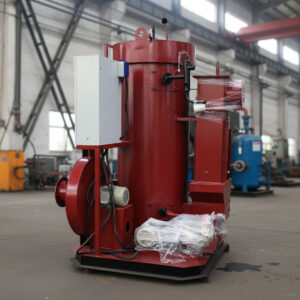
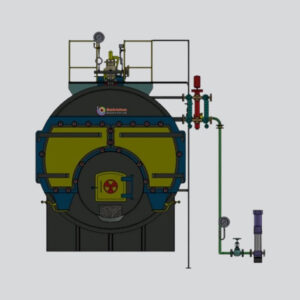
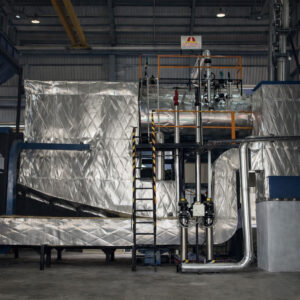
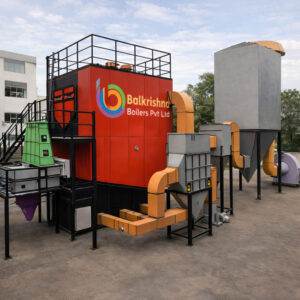
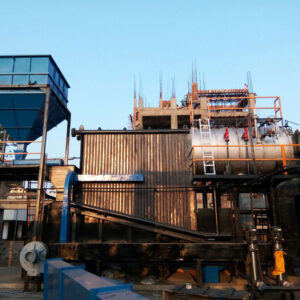
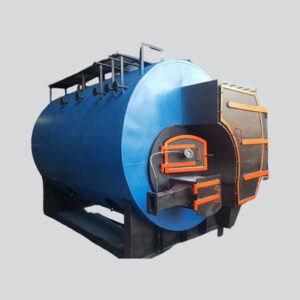
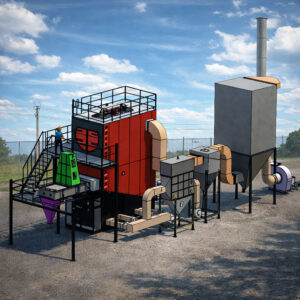
Empty Fruit Bunches (EFB) Fired Boiler
High-Performance Steam from Oil Palm Waste | 100% Sustainable Energy
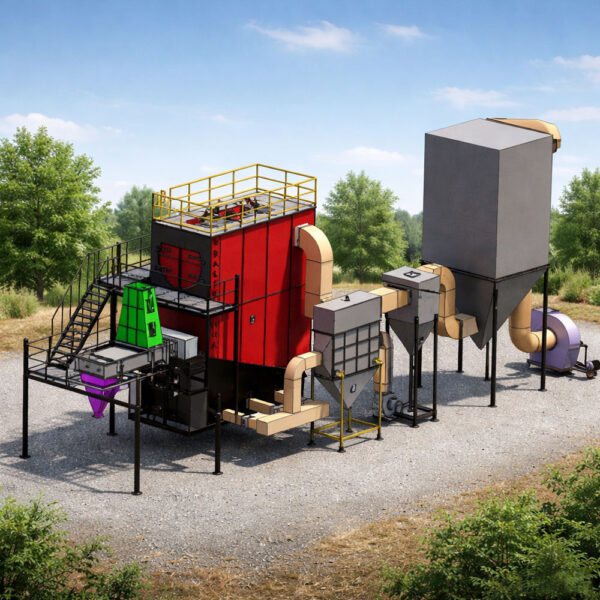
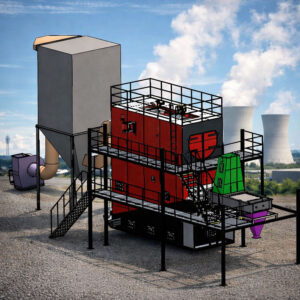
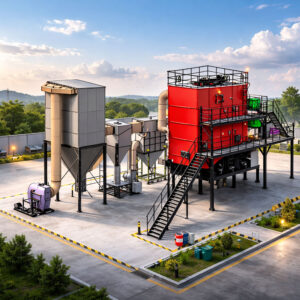
At IndianBoilers.com, we turn palm oil mill waste into a high-value energy asset. Empty Fruit Bunches (EFB) are a massive byproduct of the palm oil extraction process. While traditionally considered difficult to burn due to high moisture and potassium content, our specialized EFB Fired Boilers are engineered to overcome these challenges, providing a carbon-neutral steam solution for the entire mill.
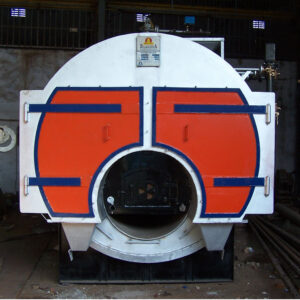
Manufactured with robust Ahmedabad-based engineering, these boilers feature advanced combustion technology that handles shredded EFB with ease, ensuring high thermal efficiency and continuous plant operation.
Key Features & Performance
- Shredded EFB Optimization: Designed to fire shredded EFB (fiberized bunches), which increases the surface area for rapid ignition and consistent heat release.
- High Moisture Tolerance: EFB typically has a moisture content of 40% to 50%. Our furnaces feature a “Drying Arch” and use high-temperature Air Pre-heaters (APH) to evaporate moisture instantly upon entry.
- Anti-Slagging Furnace Design: EFB ash is rich in alkali (potassium), which can melt and stick to tubes. We use low-velocity furnace geometry and controlled secondary air to keep temperatures below the ash fusion point, preventing slag buildup.
- Reciprocating or Pulsating Grates: These moving grates continuously agitate the fuel bed, ensuring complete burnout of the dense fibrous material and preventing “dead spots” in the furnace.
- Carbon Neutral Steam: Utilizing EFB as fuel makes your palm oil mill energy-self-sufficient and qualifies your facility for Green Energy credits.
- Multi-Stage Pollution Control: Integrated with Multi-cyclone Dust Collectors (MDC) and optional Bag Filters to ensure stack emissions meet environmental standards.
Core Industry Applications
The EFB Fired Boiler is the engine of the circular economy for:
- Palm Oil Mills: Utilizing 100% of the bunch waste to power sterilization and extraction.
- Biomass Power Plants: Providing a reliable feedstock for large-scale “Green Electricity” generation.
- EFB Pelletizing Plants: Supplying thermal energy for drying shredded EFB before compression.
- Agro-Industrial Complexes: High-capacity steam for refineries and downstream processing.
Advantages
- Corrosion Resistance: We use specialized boiler tube materials and increased tube thickness in convective zones to resist corrosive flue gases.
- Integrated Fuel Prep: We offer technical advice on EFB shredding and dewatering systems to ensure peak energy state.
- Turnkey Installation: From fuel feeding conveyors to ash handling, we provide a complete, hassle-free solution.
Operating Range
- Capacity – 0.5 THP to 6 THP
- Fuel- wood log, Briquette, Lignite and Coal
- Pressure- 10.54 Kg/cm² to 21 Kg/cm²
Technical Specifications
| Specification | Unit | CC-05 | CC-10 | CC-20 | CC-30 | CC-40 | CC-50 | CC-60 | ||
|---|---|---|---|---|---|---|---|---|---|---|
| General | ||||||||||
| Steam Output From & at 100°C | Kg/hr | 500 | 1000 | 2000 | 3000 | 4000 | 5000 | 6000 | ||
| Working Pressure | Kg/CM² | 10.54 | 10.54 | 10.54 | 10.54 | 10.54 | 10.54 | 10.54 | ||
| Steam Temperature | °C | 183 | 183 | 183 | 183 | 183 | 183 | 183 | ||
| No’s of Passes | No’s | Three | Three | Three | Three | Three | Three | Three | ||
| No’s of Furnace | No’s | 1 | 1 | 1 | 1 | 1 | 1 | 1 | ||
| Grate Area | M² | 0.85 | 1.25 | 2.2 | 2.9 | 4.15 | 5.7 | 6 | ||
| Steam Outlet | MM | 40 | 50 | 80 | 100 | 100 | 125 | 150 | ||
| Heat Transfer Area | M² | 20 | 40 | 80 | 120 | 160 | 200 | 240 | ||
| Type of Fuel: woodlog, Briquette, Lignite and Coal | ||||||||||
| Boilers Efficiency with APH | ||||||||||
| On woodlog | % | 78 +/-2 | 78 +/-2 | 78 +/-2 | 78 +/-2 | 78 +/-2 | 78 +/-2 | 78 +/-2 | ||
| On Coal | % | 78 +/-2 | 78 +/-2 | 78 +/-2 | 78 +/-2 | 78 +/-2 | 78 +/-2 | 78 +/-2 | ||
| Fuel Consumption | ||||||||||
| WoodLog (3500) | Kg/hr | 99 | 198 | 396 | 593 | 791 | 989 | 1187 | ||
| Briquette (4000) | Kg/hr | 87 | 173 | 346 | 519 | 692 | 865 | 1038 | ||
| Lignite (3000) | Kg/hr | 115 | 231 | 462 | 692 | 923 | 1154 | 1385 | ||
| Coal (4500) | Kg/hr | 77 | 154 | 308 | 462 | 615 | 769 | 923 | ||
| Electrical Load | ||||||||||
| Feed Water Pump | H.P. | 2.00 | 2.00 | 3.00 | 4.00 | 4.00 | 6.00 | 7.50 | ||
| I.D. fan without BF | H.P. | 3.00 | 5.00 | 10.00 | 15.00 | 20.00 | 25.00 | 30.00 | ||
| F.D. Fan | H.P. | 1.00 | 2.00 | 5.00 | 7.50 | 7.40 | 10.00 | 12.50 | ||
| Total Electric Load | H.P. | 6.00 | 9.00 | 18.00 | 26.50 | 31.40 | 41.00 | 50.00 | ||
| NOTE: In view of constant endeavors to improve our products, we reserve the right to alter or change above specifications without prior notice. | ||||||||||
Frequently Asked Questions
Can I fire "Whole EFB" directly into the boiler?
While some large boilers can handle whole bunches, it is highly inefficient. For optimal combustion at IndianBoilers.com, we recommend shredded or pressed EFB to reduce moisture and increase surface area.
What is the typical moisture content of EFB?
Fresh EFB contains about 60–70% moisture. For efficient combustion, our boilers are designed to handle "Pressed EFB" which typically has a moisture content reduced to 40–45%.
What is the calorific value of EFB?
Pressed EFB (at 40% moisture) has a Gross Calorific Value (GCV) of approximately 2200–2400 Kcal/kg. When dried further, it can exceed 3500 Kcal/kg.
Is this boiler IBR certified?
Yes. All our units are manufactured under Indian Boiler Regulations (IBR), ensuring they can handle the high-pressure demands of palm oil mill turbines.
How do you manage the high moisture in EFB?
We utilize Air Pre-heaters (APH) to blast high-temperature air into the furnace. This flash-dries the fibers as they enter the combustion zone, ensuring a stable flame.
How do you prevent "Slagging" and "Fouling" caused by EFB?
EFB is rich in potassium and silica, which melt at low temperatures. We design our furnaces with a lower volumetric heat release rate to keep temperatures below the ash fusion point, preventing sticky ash from coating the tubes.
What type of grate is best for EFB?
For the fibrous and wet nature of EFB, we recommend Vibrating Grates or Reciprocating Grates. These move the fuel constantly, preventing "clumping" and ensuring uniform airflow.
How do you handle Chlorine-induced corrosion?
EFB contains trace chlorine which can form hydrochloric acid. We use corrosion-resistant alloy shielding for superheater tubes and maintain specific flue gas temperatures to prevent "cold-end" corrosion.
Can the boiler co-fire EFB with Palm Kernel Shells (PKS)?
Absolutely. Most mills use a 70/30 or 60/40 mix of EFB and PKS. Our control systems automatically adjust the air-fuel ratio to handle the different energy densities of the two fuels.
How do you handle the "Bulky" nature of EFB fuel?
We provide Heavy-duty Drag-Chain Conveyors and "Anti-Choke" hoppers specifically designed to move shredded EFB without tangling or bridging.
How often do the boiler tubes need cleaning?
Due to the high ash content, we integrate Automatic Soot Blowers (Steam or Sonic) that clean the tubes during operation, maintaining high heat transfer efficiency.
What is the ash content of EFB?
EFB produces roughly 3% to 5% ash. This ash is rich in nutrients and is often recycled back into the palm plantations as high-potash fertilizer.
Is the feeding system automated?
Yes. Our PLC system uses VFD-driven feeders that increase or decrease the EFB flow based on the real-time steam demand of the palm oil mill.
What is the typical startup time for an EFB boiler?
Because of the moisture levels, it typically takes 2 to 3 hours to reach full operating pressure from a cold start, ensuring the refractory is heated gradually.
How does an EFB boiler improve mill profitability?
It turns a waste disposal problem into energy. By using EFB, the mill becomes energy self-sufficient, providing enough steam for sterilization and enough power for the entire extraction process.
How do you control particulate emissions (smoke)?
We install Multi-cyclone Dust Collectors or Electrostatic Precipitators (ESP) to ensure that the fine ash from the EFB fibers does not exit the chimney, meeting global environmental standards.
Can EFB boilers qualify for Carbon Credits?
Yes. Replacing fossil fuels with EFB residue is a primary driver for Renewable Energy Certificates (RECs) and carbon offset programs in the palm oil industry.
What is the typical lifespan of an IndianBoilers.com EFB unit?
With our specialized metallurgy and robust design, these boilers provide a reliable service life of 20+ years even in high-humidity tropical environments.
Why choose IndianBoilers.com for Palm Oil Mills?
Based in Ahmedabad, we offer specialized engineering that bridges the gap between high-performance IBR standards and the unique challenges of Southeast Asian and African palm oil residues.