
-

-

-
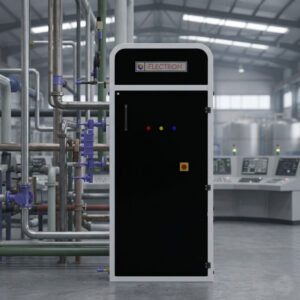 Electric Boiler
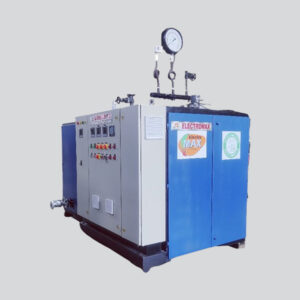
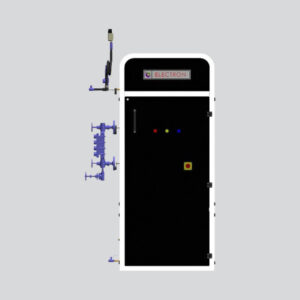
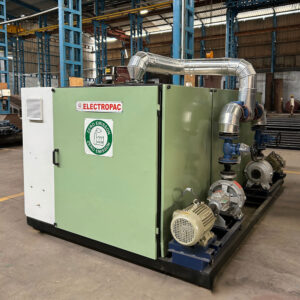
Automatic Electric Industrial Steam Boiler (50 kg/hr) – Compact Vertical Steam Plant
₹660,000.00 Add to cart -
-
-
-
-
-
High-Efficiency Electric Steam Boilers: Zero-Emission Solutions for Industry
Leading Electric Steam Boiler Manufacturer in India | 99% Efficient & Zero-Emission Industrial Boilers
Indian Boilers.com brings over two decades of expertise to the forefront of process heating with our advanced range of Electric Steam Boilers, specifically the acclaimed ELECTROMAX Series. Engineered for a new era of clean manufacturing, the electric boiler is the definitive solution for industries seeking high-quality, reliable, and instantaneous steam generation without the environmental burden of traditional fuel-fired systems.
Unlike conventional boilers, our electric units convert nearly 99% of input electrical energy directly into usable thermal output. This exceptional efficiency, coupled with our proprietary design technology, makes the Balkrishna Electric Boiler your most strategic investment for achieving both operational excellence and stringent sustainability goals.
Key Advantages of Choosing an Industrial Electric Steam Boiler
The industrial electric steam boiler stands apart from its fuel-fired counterparts by offering distinct operational, environmental, and spatial benefits crucial for modern plants.
1. Unmatched Thermal Efficiency: Up to 99%
The most significant advantage is the superior conversion rate. Since there is no combustion process, there is no heat loss through flue gases, chimney stacks, or incomplete burning.
-
Direct Conversion: Electrical energy is converted directly into heat within the water, resulting in near-perfect thermal efficiency 99%”>99%.
-
Reduced Operating Costs: Higher efficiency means less energy wasted, translating directly into lower long-term utility bills and a faster return on investment (ROI).
2. Zero Pollution & Silent Operation
For companies dedicated to corporate social responsibility (CSR) and achieving ISO 14001 certification, electric boilers are indispensable.
-
Zero Emissions: Electric boilers produce absolutely no NO CO2, or particulate matter at the point of use.
-
Environmentally Friendly: When powered by renewable energy sources, the entire process becomes CO2 -neutral, positioning your facility at the leading edge of green manufacturing.
-
Quiet Operation: The absence of burners, fans, and complex flue systems results in significantly reduced noise, improving the overall workplace environment.
3. Compact Footprint & Installation Flexibility
The simplistic, tank-style design and lack of auxiliary combustion components make installation straightforward and flexible.
-
Saves Space: Electric units require a smaller physical footprint than comparative oil, gas, or solid fuel boilers.
-
No Boiler House Requirement: Due to their inherent safety and lack of open flame/flue gas, electric boilers can often be installed closer to the point of steam use, reducing distribution heat loss and eliminating the need for a separate, expensive boiler house.
-
Fast Setup: Installation is quicker and less complex, eliminating the lengthy approval and maintenance cycles required for flue systems.
4. Safety, Reliability, and Low Maintenance
The design simplicity translates directly into enhanced safety and reduced lifetime upkeep.
-
Fewer Mechanical Components: No burners, fuel lines, or exhaust fans mean fewer potential points of failure and fewer spare parts required.
-
Enhanced Safety: The system is inherently safer than combustion boilers, featuring multiple electronic protections against high/low water levels, short circuits, overloading, and voltage abnormalities.
-
Precise Control: Instantaneous start-up and highly responsive modulation (often via thyristor switching) allow for precise steam output control, ideal for intermittent or highly variable load processes.
Frequently Asked Questions
Why should I choose an electric boiler over a fuel-fired one?
Electric boilers offer nearly 99% efficiency, zero local emissions, silent operation, and a very small footprint. They don't require fuel storage, chimneys, or complex fuel piping.
Does indianboilers.com offer IBR Electric Boilers?
Yes. We manufacture both IBR (Indian Boiler Regulations) and Non-IBR Electric Boilers based on your specific pressure and capacity requirements.
Is it true that electric boilers are faster to start?
Absolutely. Because the heating elements are directly immersed in the water, heat transfer is instantaneous. You can achieve full steam pressure much faster than with a traditional coal or oil boiler.
Do I need a separate boiler room for an electric unit?
Generally, no. Since there is no fire, smoke, or chimney requirement, these units are often installed directly next to the processing equipment, saving significant floor space and piping costs.
What capacities (kW) do you manufacture?
We offer a wide range of capacities, typically starting from 12 kW up to 600 kW and above, depending on your steam consumption requirements.
What is the maximum pressure an electric boiler can handle?
Our standard industrial models handle pressures up to 10.54 kg/cm², but we can custom-engineer units for higher pressure applications if needed.
What kind of heating elements are used?
We use high-grade, heavy-duty stainless steel (Incoloy or SS 316) heating elements. These are designed for high thermal conductivity and long-term durability.
What electrical power supply is needed?
Industrial electric boilers require a standard 3-Phase, 415V, 50Hz power supply.
How is the steam quality in an electric boiler?
Because of the steady and precise heat control, electric boilers produce very high-quality "dry" steam, which is essential for sensitive industrial processes.
Which industries benefit most from Electric Boilers?
They are ideal for industries requiring clean environments:
- Pharmaceuticals & Laboratories (Sterilization)
- Food & Beverage (Cooking/Processing)
- Hospitality (Laundry/Kitchens)
- Textiles (Ironing/Curing)
Can it be used for R&D or Pilot Plants?
Yes. Due to their precision and compact size, they are the preferred choice for R&D labs and small-batch production lines.
What safety features are integrated into the system?
At indianboilers.com, safety is paramount. Our boilers include:
- Pressure Switches: Automatic cut-off at high pressure.
- Safety Valves: Mechanical pressure release.
- Low Water Cut-off: Prevents heater burnout if water levels drop.
- Over-current Protection: Protects the electrical circuit.
Is maintenance difficult?
No. Maintenance is significantly lower than fuel-fired boilers. There are no burners to clean or soot to remove. The primary task is checking electrical terminals and periodic descaling.
Why is water treatment (Softener) essential for electric boilers?
Since the heating elements are in direct contact with water, scale buildup can cause them to overheat and fail. Using treated/softened water is critical to extending the life of your heaters.
How long do the heating elements last?
With proper water treatment and periodic maintenance, our high-quality elements can last several years of continuous operation.
What is the price of an Industrial Electric Boiler?
Pricing depends on the kW capacity and pressure rating. As a baseline, small-capacity industrial electric boilers start at approximately ₹5,00,000. Large, high-pressure IBR-certified units can range between ₹5,00,000 and ₹15,00,000+.
Why are electric boilers considered cost-effective despite high electricity rates?
While electricity can be more expensive than coal, you save money through:
- Lower installation costs (no chimney/fuel tanks).
- Minimal maintenance labor.
- Higher efficiency (no heat lost through the chimney).
- No need for a certified boiler operator for small units.
How do I get an exact quote for my facility?
Visit our Contact Us page or click the WhatsApp icon on our site. Provide your required Steam Output (kg/hr) or Power (kW), and our engineers will provide a detailed commercial proposal.
What is the typical Return on Investment (ROI)?
For industries where space is at a premium and cleanliness is mandatory, the ROI is seen immediately through reduced civil costs and zero product contamination risks.
