

ENERPOWER – Turn Your Exhaust into Energy with Advanced Heat Recovery
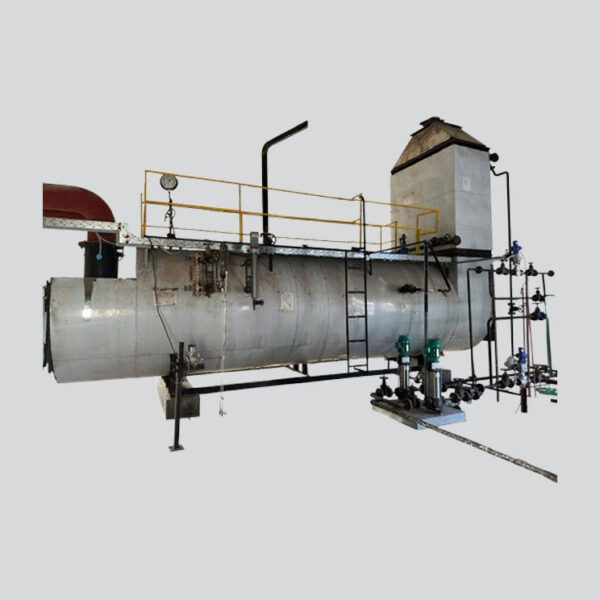
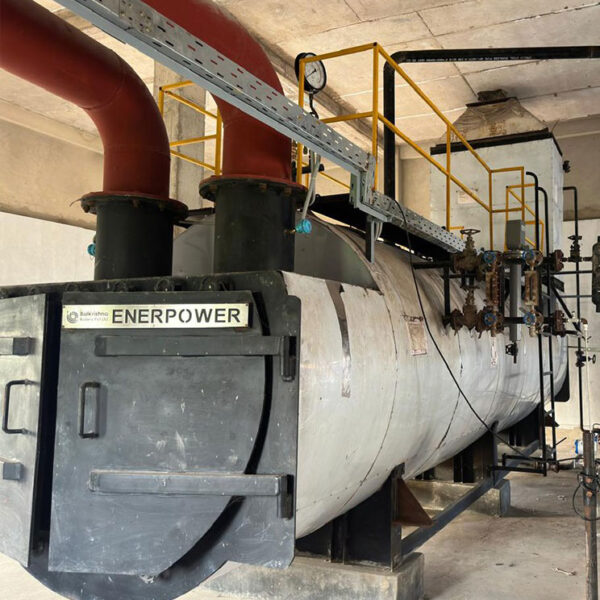
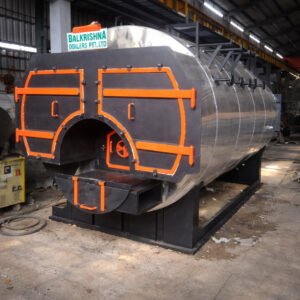
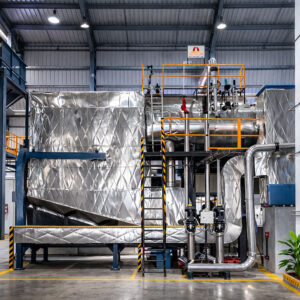
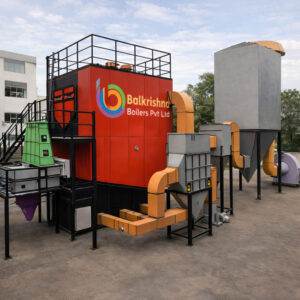
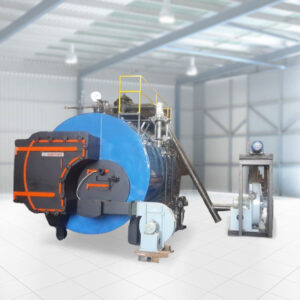
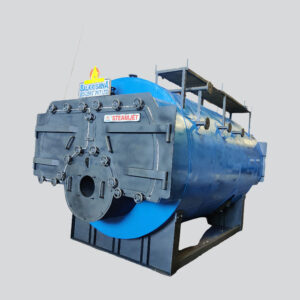
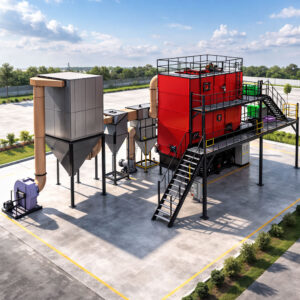
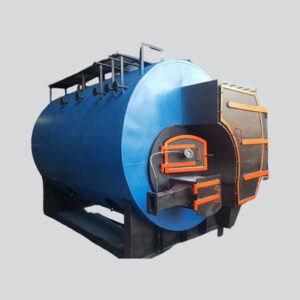
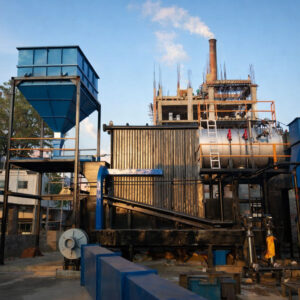
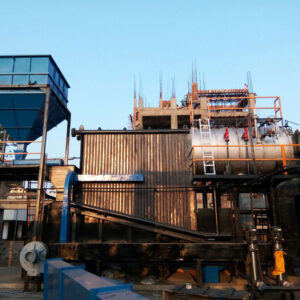
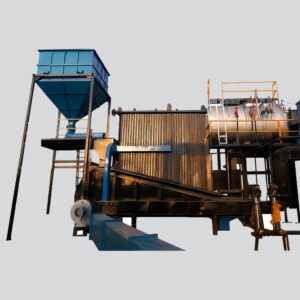
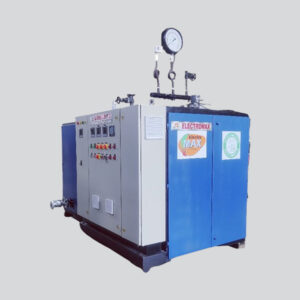
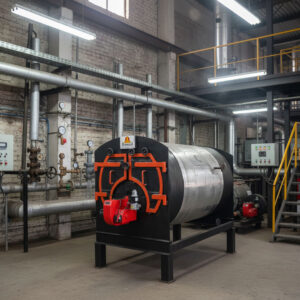
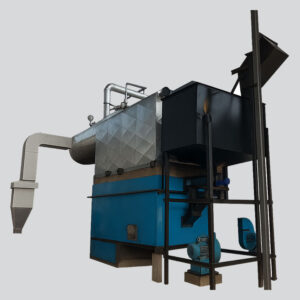
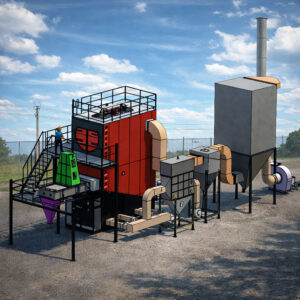
Enerpower – an engine waste heat recovery-based heating solution that can be used to generate steam and hot water for the process virtually free. The CHPC heating product range, can be used for a range of applications across diverse industries. Engineered for reliability, each Enerpower boiler is factory insulated in engine specific sizes and designs allows multiple engine exhausts to be connected to it, is user friendly and is easy to maintain.
The ENERPOWER series by IndianBoilers.com is a specialized engine waste heat recovery solution designed to capture thermal energy from DG set exhausts.2 This single-pass boiler allows industries to generate process steam or hot water virtually for free, drastically reducing fuel bills and carbon footprints.
Engineered for reliability and compact footprints, these boilers are factory-insulated and custom-sized to match specific engine outputs, allowing multiple exhausts to be connected to a single unit.
Key Features & Advantages
- Zero Fuel Cost: Operates entirely on waste gas from diesel or gas generators; no extra solid or liquid fuel is required.
- High Efficiency: Achieves up to 80% thermal efficiency through optimized heat transfer designs.
- Environmental Protection: Aids in natural resource conservation and reduces net greenhouse gas emissions.
- Robust Engineering: Features special ferrules to protect smoke tubes from abrasive particles, ensuring a longer lifespan.
- Compact Design: Requires minimal installation space and can be customized for higher capacities or different engine fuel exhausts.
- Automatic Control: Integrated with 3-way gas bypass dampers and low-water level safety trips for seamless, unattended operation.
Major Applications
- Textile Units: For yarn sizing, setting, and fabric processing.
- Food Processing: Pasteurization, sterilization, and cooking.
- Pharmaceuticals: For autoclaves and climate-controlled production areas.
- Hotels & Hospitals: Space heating and laundry hot water requirements.
- Chemical Plants: Providing stable heat for various chemical reactions.
Operating Range
- Capacity – 500 KG to 3000 KG
- Fuel- Waste gas from DG
- Pressure- 10.54 Kg/cm² to 21 Kg/cm²
Technical Specifications
| Specification | Unit | EP-05 | EP-10 | EP-15 | EP-20 | EP-30 | |||||
|---|---|---|---|---|---|---|---|---|---|---|---|
| General | |||||||||||
| Steam Output From & at 100°C | Kg/hr | 500 | 1000 | 1500 | 2000 | 3000 | |||||
| Working Pressure | Kg/CM² | 10.54 | 10.54 | 10.54 | 10.54 | 10.54 | |||||
| Steam Temoerature | °C | 183 | 183 | 183 | 183 | 183 | |||||
| No’s Passes | No’s | Single Pass | |||||||||
| Steam Outlet | MM | 40 | 50 | 80 | 80 | 100 | |||||
| Type of Fuel: Waste gas from DG | |||||||||||
| Boiler efficiency with HRU | |||||||||||
| On Waste Gas | % | 70 +/-2 | 70 +/-2 | 70 +/-2 | 70 +/-2 | 70 +/-2 | |||||
| Flue gas | |||||||||||
| Inlet Gas Temprature | °C | 450 | 450 | 450 | 450 | 450 | |||||
| Outlet Gas Temprature | °C | 150 | 150 | 150 | 150 | 150 | |||||
| Gas flow | Kg/hr | 2700 | 5400 | 8100 | 10800 | 16200 | |||||
| Electrical Load | |||||||||||
| Feed Water Pump | H.P. | 2.00 | 2.00 | 3.00 | 3.00 | 4.00 | |||||
| 3 Way Divertor Damper | H.P. | 1.00 | 1.00 | 2.00 | 2.00 | 3.00 | |||||
| Total Electric Load | H.P. | 3.00 | 3.00 | 5.00 | 5.00 | 7.00 | |||||
| NOTE: In view of constant endeavors to improve our products, we reserve the right to alter or change above specifications without prior notice. | |||||||||||
Why Choose IndianBoilers.com?
With over two decades of expertise and 5,000+ installations worldwide, IndianBoilers.com is a leader in innovative thermal solutions. Our Waste Gas Fired Boilers are built to IBR (Indian Boiler Regulations) standards, ensuring peak safety and a rapid Return on Investment (ROI) for your facility.
Frequently Asked Questions
How does the "Single Pass" design benefit waste heat recovery?
A single-pass design offers the lowest possible back pressure on the source equipment (e.g., your engine or furnace). This is critical because high back pressure can reduce the efficiency or even damage the engine providing the waste gas.
Does this boiler require its own burner?
Typically, no. It relies entirely on the thermal energy of the waste gases entering the unit. However, we can provide "Supplementary Fired" versions that include a burner to maintain steam production when the waste gas source is offline.
What is the typical temperature of the waste gas required?
For effective steam generation, waste gases should ideally be above 350°C. For hot water generation, lower temperatures (down to 200°C) can also be effectively utilized.
How is the heat transferred in this system?
The hot waste gases pass through a bundle of smoke tubes. Water surrounding these tubes absorbs the heat, eventually reaching its boiling point to produce steam.
What is the efficiency of a Single Pass Waste Gas Boiler?
Since the fuel (waste gas) is essentially free, efficiency is measured by the Rate of Recovery. Our units at indianboilers.com are engineered to recover up to 95% to 99% of the available sensible heat from the waste stream.
What capacities are available for the Waste Gas series?
We offer capacities ranging from 100 kg/hr for small DG sets up to 5,000 kg/hr (5 TPH) for large industrial exhaust systems.
What materials are used in construction?
To withstand the potentially corrosive nature of exhaust gases, we use high-grade Mild Steel (MS) or Stainless Steel (SS) for the tubes and shell, depending on the chemical composition of your waste gas.
Can it handle "dirty" or "dusty" waste gases?
Yes. The single-pass smoke tube design is easier to clean than multi-pass versions. For high-dust applications, we provide specialized soot blowers or mechanical cleaning ports.
What is the maximum working pressure?
Our standard units operate at medium pressures (up to 10.54 kg/cm² or 17.5 kg/cm²), making them ideal for most industrial process heating needs.
Which industries use Waste Gas Boilers?
- Steel & Glass: Capturing furnace exhaust.
- Chemical & Pharma: Recovering heat from incinerators or reactors.
- Power Plants: Utilizing DG set or Gas Turbine exhaust.
- Rice Mills: Capturing heat from parboiling processes.
Does it help in reducing environmental pollution?
Yes. By cooling the exhaust gases before they reach the atmosphere and reducing the need to burn fresh fuel for steam, you significantly lower your facility's total carbon footprint and thermal pollution.
How compact is the unit?
Because it lacks a traditional furnace and burner assembly, the Single Pass Boiler is very compact and can often be installed horizontally or vertically to fit into existing exhaust ducting.
Does it affect the operation of my main engine or furnace?
No. Our engineers precisely calculate the duct size and tube area to ensure the pressure drop is within the limits specified by your equipment manufacturer.
Is water treatment necessary for WHR boilers?
Yes. Just like a standard boiler, "hard" water will cause scaling on the tubes, which acts as an insulator and kills your heat recovery efficiency. A Water Softener is highly recommended.
Are these boilers IBR certified?
We offer both IBR (Indian Boiler Regulations) and Non-IBR versions. For most industrial factories, an IBR-certified unit is required to comply with safety and insurance regulations.
What are the common maintenance tasks?
The primary task is ensuring the smoke tubes are free from soot or ash buildup. Regular inspection of the bypass dampers—which divert gas away from the boiler if steam isn't needed—is also vital.
What is the price of a Waste Gas Fired Single Pass Boiler?
The price depends on the mass flow and temperature of the waste gas. On indianboilers.com, current estimates are:
- Small units (500 kg/hr): Starting around ₹4,000,000.
- Medium units (1 TPH to 3 TPH): Range from ₹15,00,000 – ₹30,00,000.
- Large systems (5 TPH): Can exceed ₹50,00,000 depending on metallurgy and automation.
What factors affect the final quote?
The final price is influenced by the Inlet Gas Temperature, Mass Flow Rate, Material of Construction (e.g., SS tubes for corrosive gas), and the inclusion of Bypass Dampers and Automatic Control Systems.
What is the typical Return on Investment (ROI)?
Since the fuel cost is Zero, the payback period is exceptionally fast. Most of our clients see a full recovery of their capital investment within 12 to 18 months purely through fuel savings.

Reviews
There are no reviews yet.