
Biomass Fired Boilers: Sustainable & High-Efficiency Thermal Solutions
At IndianBoilers.com, we are pioneers in manufacturing high-efficiency Biomass Fired Boilers that allow industries to transition from expensive fossil fuels to sustainable, carbon-neutral energy. Our biomass systems are engineered to handle a wide variety of solid fuels, ensuring consistent steam generation and significant operational savings.
Versatile Fuel Capability
Our biomass boilers are designed with multi-fuel flexibility in mind. Whether you have access to forest waste or agricultural byproducts, our systems deliver peak performance with:
- Wood & Timber Waste: Logs, chips, and sawdust.
- Briquettes: Sawdust or agro-waste compressed briquettes.
- Agricultural Residue: Rice husk, mustard stalk, and corn cobs.
- Process Waste: Sugarcane bagasse and coffee husks.
Our Biomass Boiler Range
We offer various configurations to suit your specific factory footprint and steam requirements:
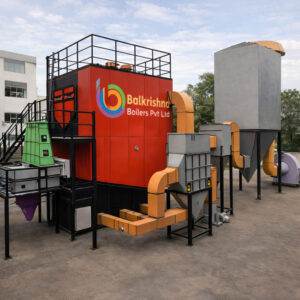
- External Furnace Boilers: Ideal for fuels with high moisture content and bulky sizes.
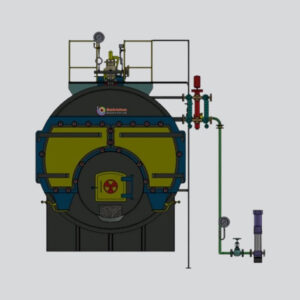
- Internal Furnace (Shell Type): Compact designs for high-pressure dry steam.
- Hybrid Boilers: Combining the best of water-tube and smoke-tube technology for rapid steam generation.
Technical Advantages
| Feature | Benefit for Your Industry |
| Custom Grate Designs | Options for Fixed, Dumping, or Travelling grates to suit ash content. |
| Emission Control | Equipped with Cyclone separators and Bag filters to meet PCB norms. |
| Heat Recovery | Integrated Economizers increase efficiency by capturing waste heat. |
| IBR Certified | Maximum safety and compliance with Indian Boiler Regulations. |
Why Invest in Biomass Energy?
Choosing a Biomass Fired Boiler from Indian Boilers is a strategic move for your bottom line and the planet:
- Carbon Neutrality: Biomass fuels release only the CO2 they absorbed during growth, helping you reach Net-Zero targets.
- Energy Independence: Shield your business from the fluctuating prices of coal, oil, and gas.
- Local Fuel Sourcing: Support local economies by using readily available regional agricultural waste.
